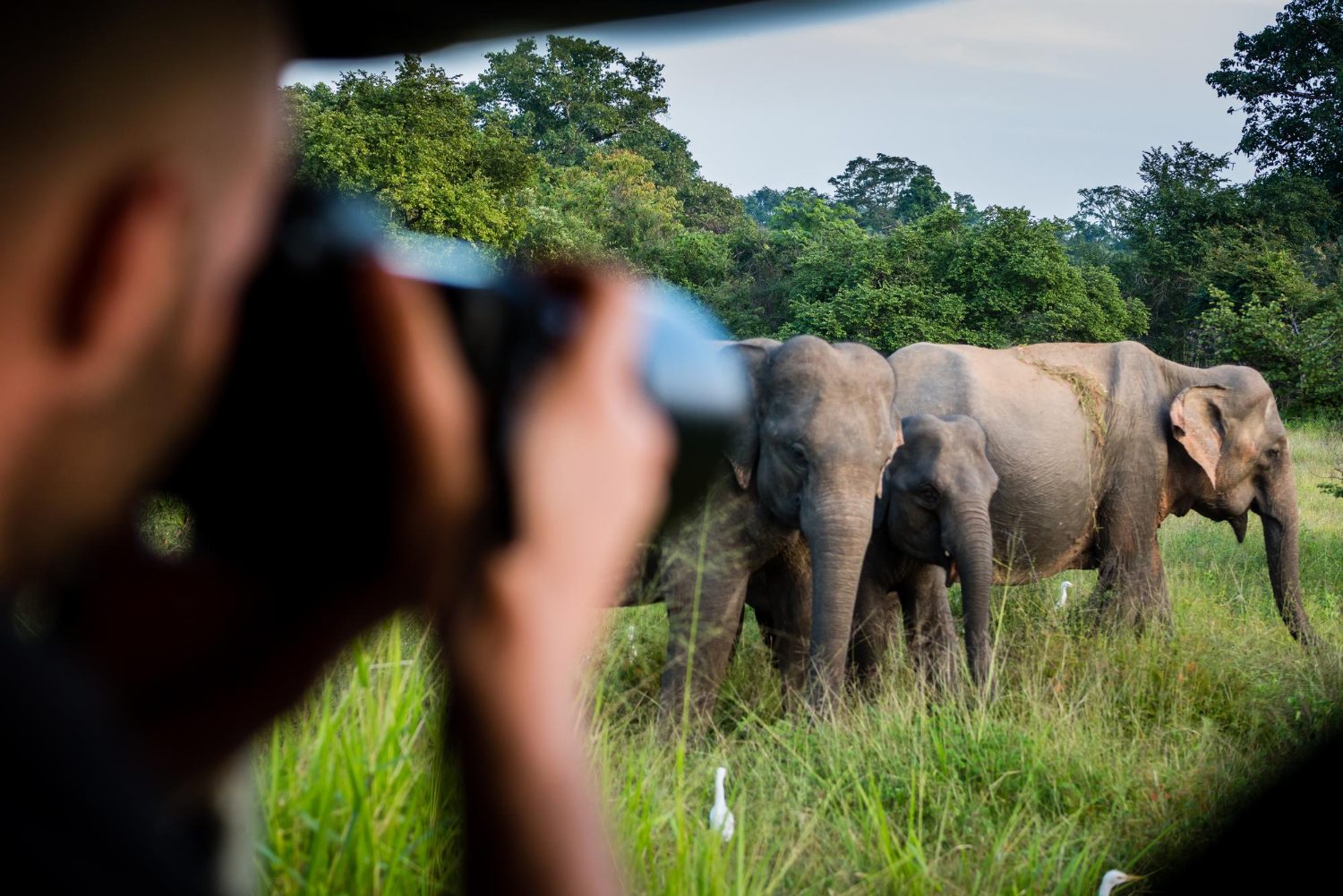
Kenya is a hub for landscapes that are irreplaceable, best wildlife attractions, and endless photographic potential. From the enormous plains of Maasai Mara to Samburu’s craggy hills, this country has ample opportunities for photographers to get a glimpse into the soul of the African wilderness.
This wilderness is embodying all of its untamed beauty and strength. Whether you’re an amateur or professional photographer, a photography safari in Kenya will push you to your limits and motivate you to test your skills. As an incentive, it’ll leave in your possession a portfolio of breathtaking photos which showcase the diverse magic found within this country.
Best Photography Safaris in Kenya
Best Destinations For Photo Safaris in Kenya
Kenya is an incredibly diverse country with a range of landscapes and ecosystems that offer plenty of photography opportunities. Here are some of the top destinations to include in your photography safari itinerary:
Maasai Mara National Reserve
The Maasai Mara is the most famous safari destination in Kenya, known for its breathtaking grasslands, acacia trees, and the wildebeest migration. Taking photos here gives you a taste of Africa’s endless horizons, golden light, and abundant wildlife.
The reserve has all five animals in the Big Five (lion, leopard, elephant, rhino, and buffalo), as well as many others such as cheetahs, hyenas, giraffes, and zebras. The wildebeest migration takes place from July to October and is an awe-inspiring sight where over a million animals move across the plains.
For photographers specifically, there’s no shortage of settings to work with. From open plains to winding rivers and rocky outcrops – you’ll have your hands full capturing incredible shots. Don’t forget about how the lighting changes throughout the day either; from soft pastels at dawn to fiery colors at sunset.
Amboseli National Park
Amboseli National Park is located in southern Kenya and is most famous for its large herds of elephants against the backdrop of Mount Kilimanjaro. You can capture these magnificent creatures on a photography safari while also getting up close and personal with Africa’s tallest mountain.
The park’s flat landscapes make it easier to spot wildlife too since elephants tend to congregate near swamps or water sources alongside zebra and wildebeest herds. More predators like lions are also present along with various bird species including flamingos and crowned cranes among others.
One thing unique about Amboseli is its dust devils – mini tornadoes made out of debris that look quite surreal when combined with silhouettes from elephants or other wildlife.
Samburu National Reserve
Samburu National Reserve is remote and rugged, located in northern Kenya. It’s this reserve which is home to some of the country’s rarest animals like Grevy’s zebra and the gerenuk antelope. So if you’re keen on photographing species that aren’t found elsewhere in Kenya, this would be a spot to check out.
The Ewaso Nyiro River runs through the reserve attracting plenty of wildlife during dry seasons. Lined with doum palms and acacia trees, these lush banks provide a stark contrast to surrounding arid plains and rocky hills.
And there’s even more; Samburu is also home to African wild dogs and leopards which are both endangered. Photographing these elusive creatures in their natural habitat isn’t something you’d get to do every day. It requires patience, skill, and a bit of luck – but it’s worth it when you get that perfect shot!
Lake Nakuru National Park
Lake Nakuru National Park, situated in Kenya’s Great Rift Valley, may be small but it is incredibly picturesque. This park’s main attraction is the vibrant birdlife and its population of black and white rhinos. A photography trip to Lake Nakuru offers the opportunity to capture a variety of subjects within an easily accessible area.
The heart of the park is the shallow, alkaline lake that shares its name. The lake attracts thousands of flamingos, pelicans and other waterbirds. The mass numbers create a pink carpet, which looks like something out of a dream.
A number of mammals also call Lake Nakuru home; including buffalo and antelope. Its acacia woodlands and rocky cliffs create excellent backdrops for wildlife photography – especially in the early morning or late afternoon light.
Tsavo East and West National Parks
Tsavo East and West National Parks are two massive reserves in southern Kenya. They’re known for their rugged terrains, red dirt roads, and large groups of elephants – offering visitors an unaltered experience with nature far from any crowds.
Tsavo East has wide open plains making it ideal for viewing animals such as giraffes, zebras and lions. This park is also home to what is believed to be one of the longest lava flows in the world called Yatta Plateau. In addition to these natural wonders there are large herds of red elephants that call this place home too – these animals bathe themselves in iron-rich dust which causes their skin to appear red.
Tsavo West has more diverse landscapes than its eastern counterpart including Mzima Springs – crystal-clear pools fed by underground streams where hippos can often be spotted taking a dip along side crocodiles who frequent the area as well. The unique underwater ecosystem makes Tsavo West an exceptional place for photographers looking to capture something out of this world.