
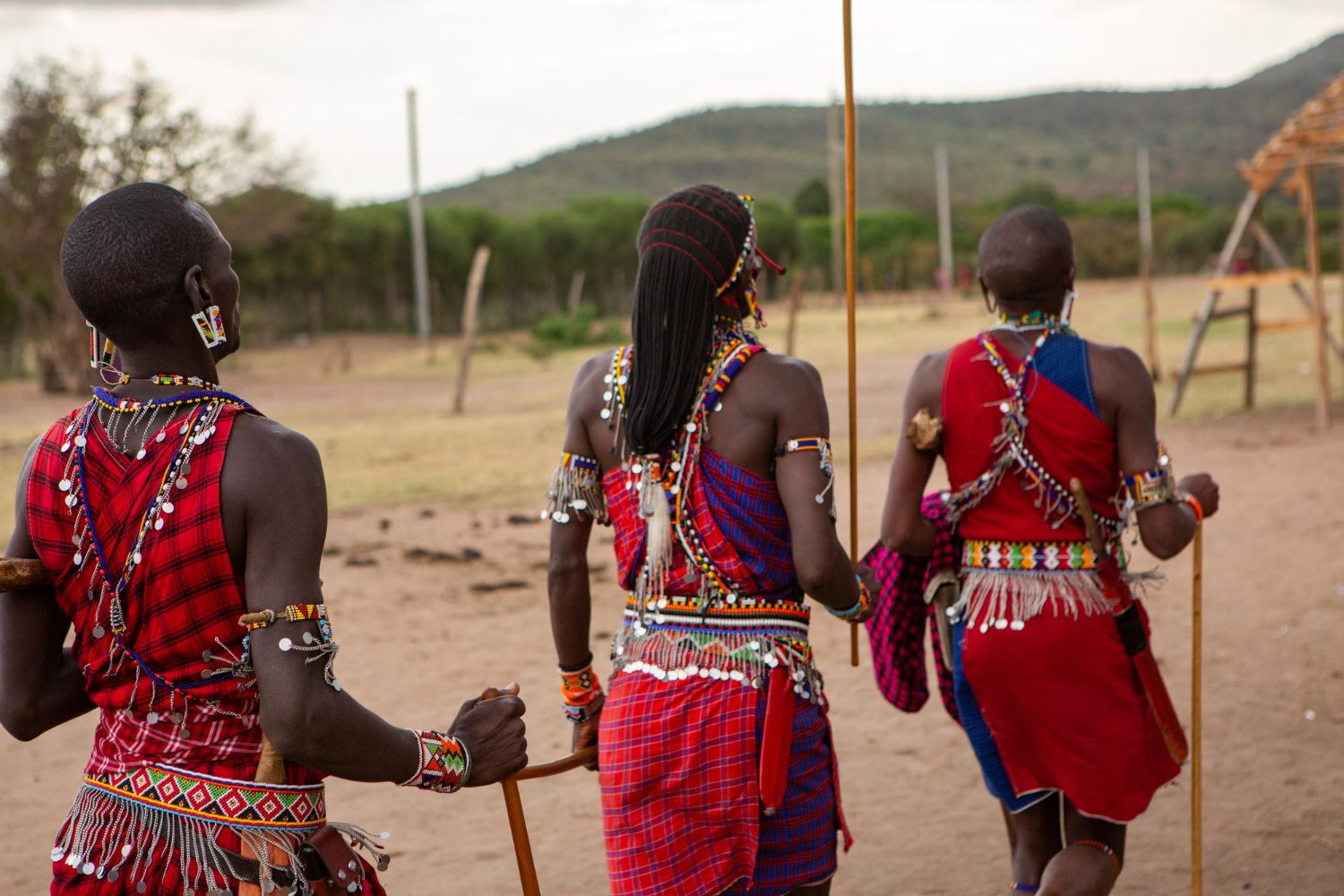
Kenya is a scenic country with an intricate blend of cultures, folklore and geographical spread that has fascinated tourists for generations. From the rolling savannahs of Maasai Mara to the snowcapped summits of Mount Kenya, this East African state offers innumerable thrilling experiences and deep meanings. For those who want to experience the true essence of Kenya however, nothing beats combining wildlife safaris with cultural exploration.
Cultural safaris and experiences in Kenya are a means through which one can learn more about iconic aspects of such a country as ancient tribal cultures, majestic fauna and flora as well as breathtaking landscapes. By combing these elements together travelers get a chance to understand Kenya’s convoluted history, its vibrant present as well as bright future. Whether you are strolling through boisterous streets in Nairobi, watching wildebeest migration in Masai Mara or just sipping tea with a Maasai elder; cultural safari guarantees you an adventure that would linger long after returning home.
Yet what exactly makes cultural safari unique? First things first, it enables your authentic interaction with people and places around you. This means having local guides who will lead you through your journey; staying at community owned lodges and supporting sustainable tourism initiatives thus ensuring that wherever you visit has real impact on communities around such areas. Meanwhile by placing yourself at the center of their rituals and practices there will be better understanding into values, myths or lifestyle shaping Kenyan Society.
When discussing Kenyan safaris however wildlife remains an indispensable part of it all. From lions to buffalo (The Big Five), rhinos elephants leopards all lesser known species like gerenuk , dik-dik among others which live in some of world’s most hostile environments are found here . Consequently on any Safari one may have close contact with animals from African Savannah regions learning behaviors, Ecosystem roles as well as conservation threats that they pose.