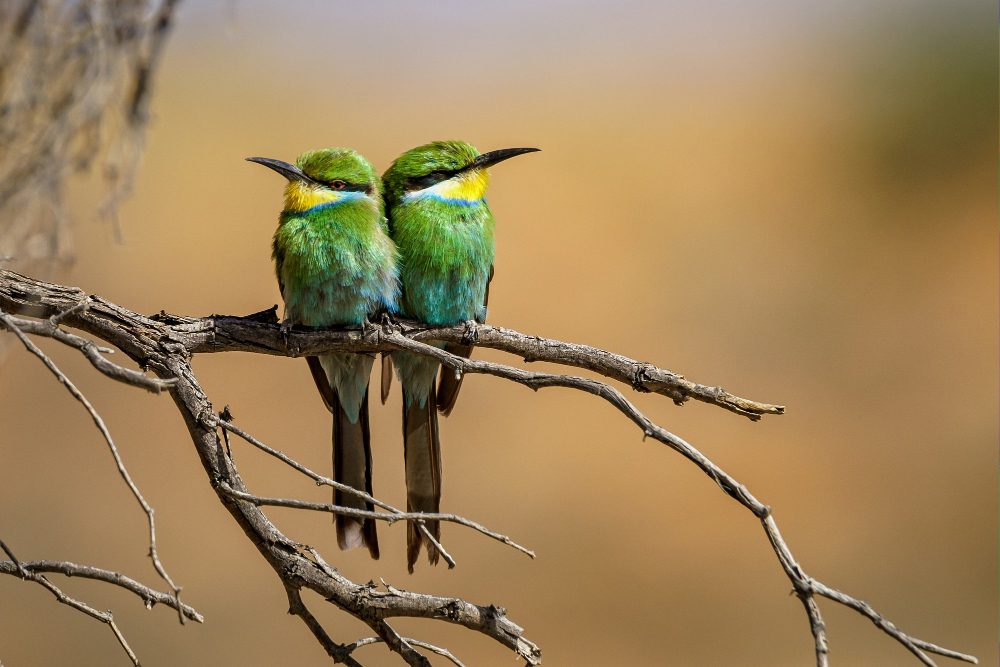
Birdwatching is a sport with amazing destinations. Kenya being in Africa, it has that wildlife that most tourists would want to see and every other person wants to see the beautiful landscapes and warm welcoming people. With all these attractions in place, bird lovers are equally not left behind as Kenya is home to over 1,100 species of birds within its different habitats. This means you can find whatever species you are looking for while there.
The country has so many birds that we decided to guide you on the best locations to go bird watching while in Kenya’s diverse habitats. From the arid savannas of Maasai Mara to the heavy forests of Aberdare mountains, this comprehensive trip will take you through some of Africa’s spectacular birds.
What makes Kenya a must visit?
Kenya is located at the rim of several distinct biogeographic regions thus straddling the equator with a western border along Lake Victoria and an eastern one on Indian Ocean. These unique attributes make it home to many birds as well as a mosaic of suitable habitats that support a great diversity of avian life.
One common thing about birders is their love for endemic species which are those found nowhere else apart from where they have traveled to and this makes them travel far, I mean very far just to catch a glimpse. Well, if you are one then you’ve got more than enough reason because Kenya has eight true endemics such as Aberdare cisticola among others.
The country also homes around 30 near-endemic species which is quite much considering that fact that they can only be found in parts of neighboring countries.
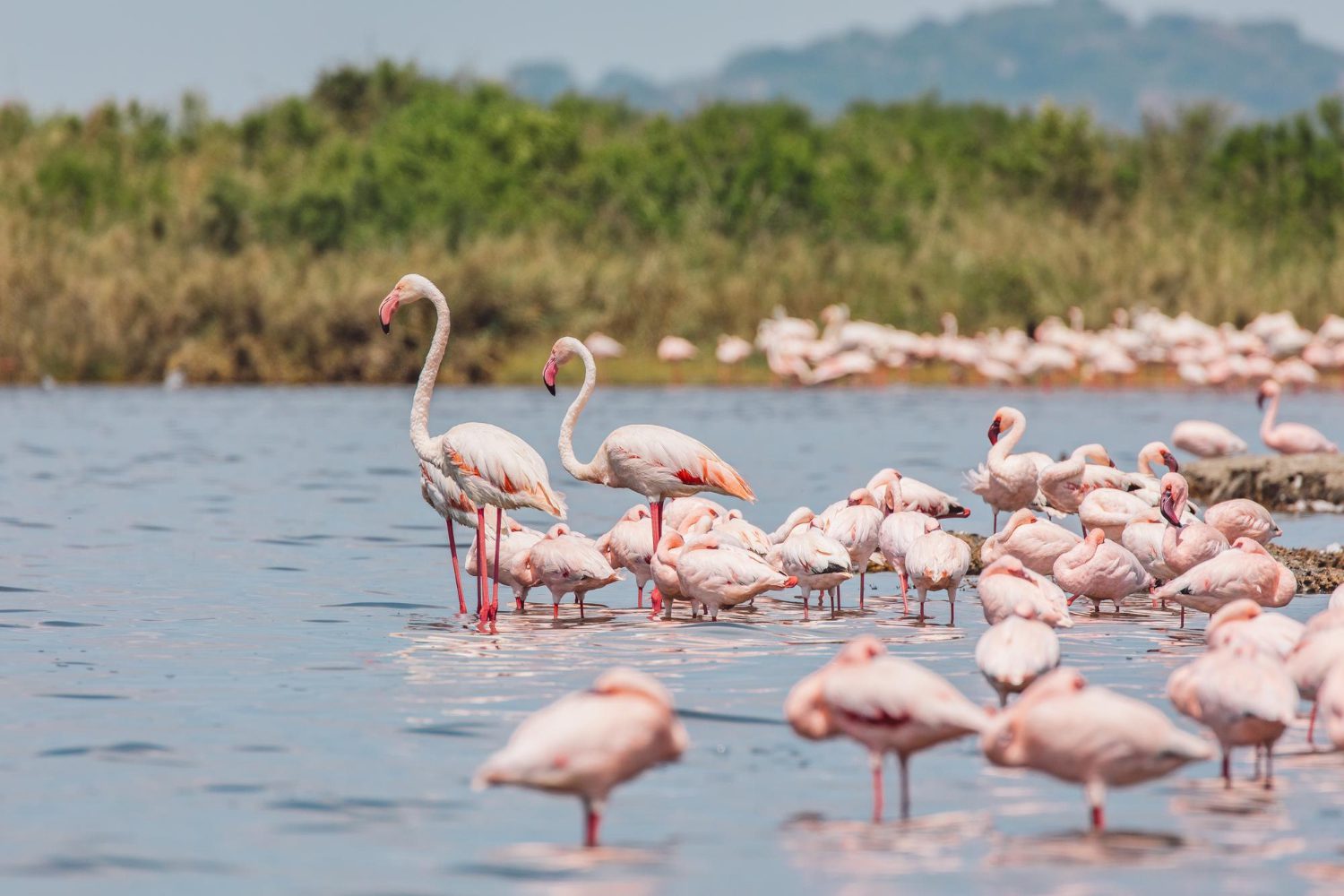
Another interesting fact about Kenya is how rich they are when it comes to migratory birds; each year millions from Europe and Asia come flocking into its resource-rich habitats for wintering purposes. The Rift Valley lakes provide a comfortable stopover point for these long-distance travelers with thousands of flamingos, pelicans and other waterbirds lining up to enjoy the gift.
Even though birders will be the main target for this particular trip, the country’s tourism infrastructure has been well developed such that regardless of what you want to see there, every tourist is well covered. With a network of excellent roads, comfortable lodges and experienced guides in place, tourists are assured of a safe and accessible way to explore its avian riches. You can also combine your birding with wildlife safaris, cultural encounters as well as beach relaxation so that you don’t miss any valuable experience.
Top Birding Destinations in Kenya
1. Maasai Mara National Reserve
Having Kenya’s most famous wildlife, the Maasai Mara is also a birding paradise, with over 500 species recorded within its borders.
One of the most elusive birds seen in this reserve is the Denham’s bustard , a large, elegant bird that struts through the grasslands. This near-endemic species is found only in Kenya and small parts of northern Tanzania. It’s one of Africa’s rarest birds but your chances of seeing it in the Mara are pretty good.
Other birds to look out for include the secretary bird (a long-legged raptor known for killing snakes), lilac-breasted roller (a sumptuously colorful acrobatic bird), and red-necked spurfowl (a plump terrestrial bird with a bright red neck face).
With its varied habitats from riverine forests to rocky escarpments, the Mara has an impressive diversity of birdlife. And it’s wetlands like Musiara Swamp are home to a large number of waterbirds such as saddle-billed stork, African jacana, and malachite kingfisher.
2. Aberdare National Park
Rising above Kenya’s highlands are the verdant Aberdare Mountains draped in mist. Aberdare National Park protects much of these biodiversity-rich montane forests and should be on every birder’s checklist when visiting Kenya.
The park’s star attraction is undoubtedly the Aberdare cisticola – a small nondescript bird found nowhere else on Earth. It inhabits the thick tangles deep within Aberdares’ forests hence difficult to see even for seasoned twitchers.
Other notable birds include Jackson’s francolin(only found here), African crowned eagle(predator that prays on monkeys) and Hartlaub’s turaco(distinctive call).
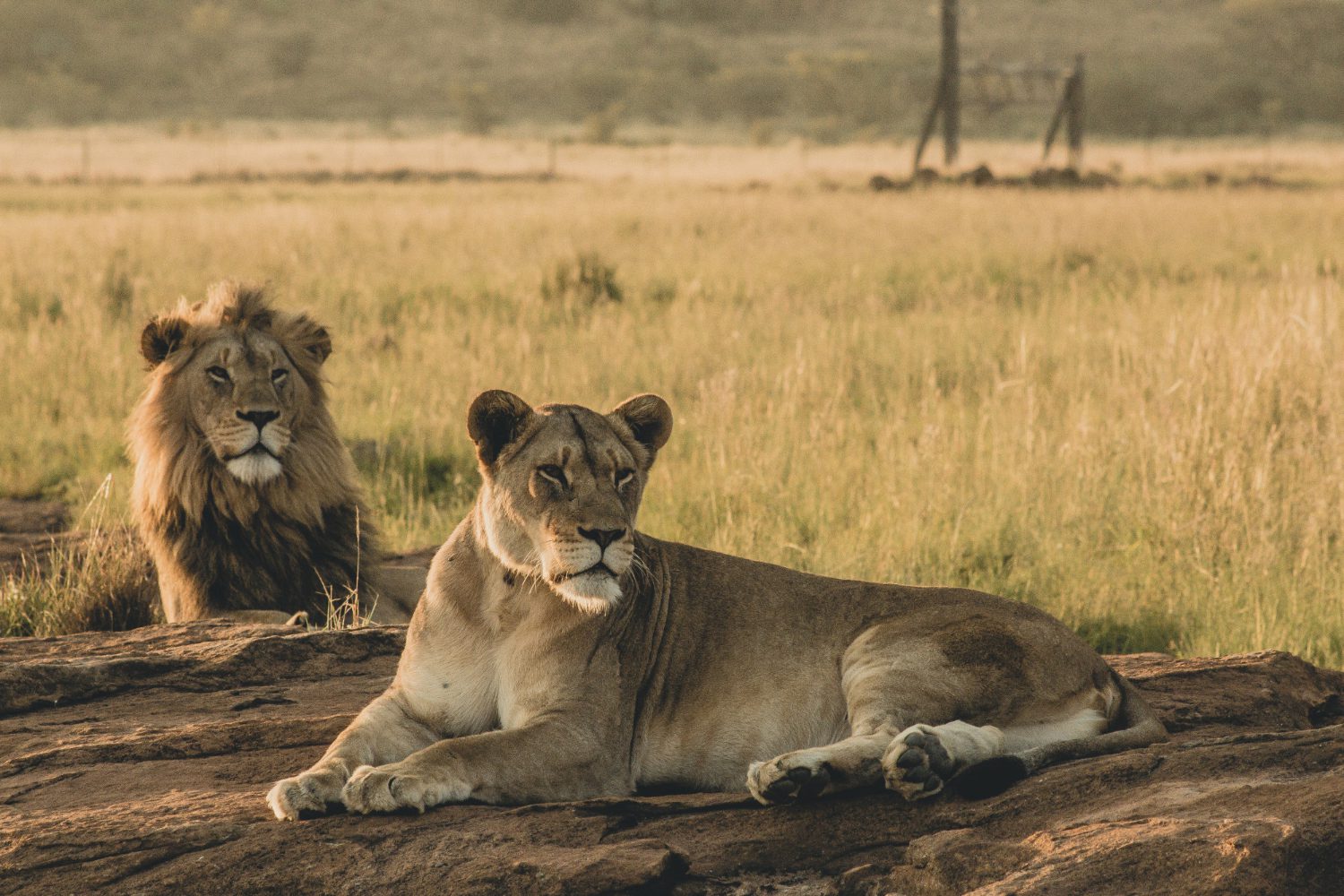
However, Lake Nakuru is more than just about the big birds. The park’s acacia woodlands and rocky cliffs are home to a variety of other interesting species such as Hildebrandt’s francolin, grey-crested helmet-shrike and Mackinder’s eagle-owl. It’s also a rhino sanctuary with black and white rhinos, lions, leopards, Rothschild’s giraffes and more.
4. Kakamega Forest Reserve
Home to some of the last remnants of equatorial rainforest that once stretched across much of this region of Africa, Kakamega Forest lies in western Kenya near the border with Uganda. This ancient forest is part of what remains from the Guineo-Congolian rainforest which was located here centuries ago.
The forest is best known for its great blue turaco (Corythaeola cristata), a stunning bird endemic to a small range that includes western Kenya and parts of Uganda and Congo-Kinshasa. The sight of this creature , with its bright blue plumage, yellow-tipped crest and eye-catching red-and-yellow bill , is one that draws birders from far and wide.
Other notable birds found in Kakamega include black-and-white casqued hornbill (Bycanistes subcylindricus), blue-headed bee-eater (Merops muelleri) and Turner’s eremomela (Eremomela turneri).
Birding in the dense interior can be challenging due to low light levels but it’s worth it for these unique species. The forest also has several primate species: blue monkey (Cercopithecus mitis), red-tailed monkey (Cercopithecus ascanius)and eastern black-and-white colobus (Colobus guereza).
5. Arabuko-Sokoke Forest Reserve
Located along the coastline just south of Malindi, Arabuko-Sokoke is the largest remaining patch of coastal forest in East Africa. The reserve’s birds include a number of species that are endemic to it and nowhere else in the world.
Clarke’s weaver (Ploceus golandi) and Sokoke scops owl (Otus ireneae) are two such birds found only there and in small patches of neighboring forests. The former is a small sparrow-like bird with a pale bill, black face and bib; the latter is a diminutive owl that is usually heard calling rather than seen.
Other notable birds include Amani sunbird (Hedydipna pallidigaster), Fischer’s turaco (Tauraco fischeri) and Sokoke pipit (Anthus sokokensis).
Birding can be difficult due to dense undergrowth but an excellent network of trails makes navigation easy, while local guides provide invaluable assistance for finding some of the forest’s more elusive inhabitants. Interesting mammals found here include golden-rumped elephant shrew (Rhynchocyon chrysopygus), Ader’s duiker (Cephalophus adersi)and Sokoke bushy-tailed mongoose (Bdeogale omnivora).