Tanzania is the country for superlatives. It boasts the continent’s highest mountain, largest lake, and most iconic safari destinations. But for birdwatchers, what truly pulls them in lies in its abundance of avian life. This East African nation has seen over 1,100 species within its borders, an ultimate adventure.
From flamingo-filled lakes of the Great Rift Valley to the lush rainforests of the Eastern Arc Mountains, these landscapes provide a haven for a wide range of birds. Colorful endemics that are hard to find anywhere else, rare migrants, and iconic species all call this beautiful country home. Bird enthusiasts must add it to their list!
In this inclusive guide, we’ll take you through Tanzania’s top birding hotspots where you’ll get to see one-of-a-kind species and breathtaking scenery that makes each location special. We’ll also share tips on how to plan your Tanzanian birding adventure practically including what season is best to visit and what essential gear you won’t want to forget at home. Get ready with your binoculars and prepare to discover why everyone raves about the avian wonders here.
Why Tanzania is a Top Birding Destination
Tanzania being in a great location where multiple biogeographic zones meet attributes greatly towards its impressive bird diversity. The Somali-Maasai arid region which includes parts of Ethiopia on one side meets with the Central African rainforest that includes parts of Uganda on another side of Tanzania while the bottom part meets with East African savanna , creating various habitats that support wide variety birdlife.
On top of being the crossroads between different regions’ habitats, Tanzania has an impressive range of endemic species , birds found nowhere else on Earth. The Eastern Arc Mountains is rich when it comes to endemics as it has over 20 species restricted only in those highlands montane forests.
Every year millions of birds migrate to Tanzania and use it as a stopover. These birds travel from Europe and Asia all the way here because of the resource-rich habitats that are warm in this country. The wetlands of Serengeti and coastal forests of the Indian Ocean are among key stopovers for these long-distance travelers.
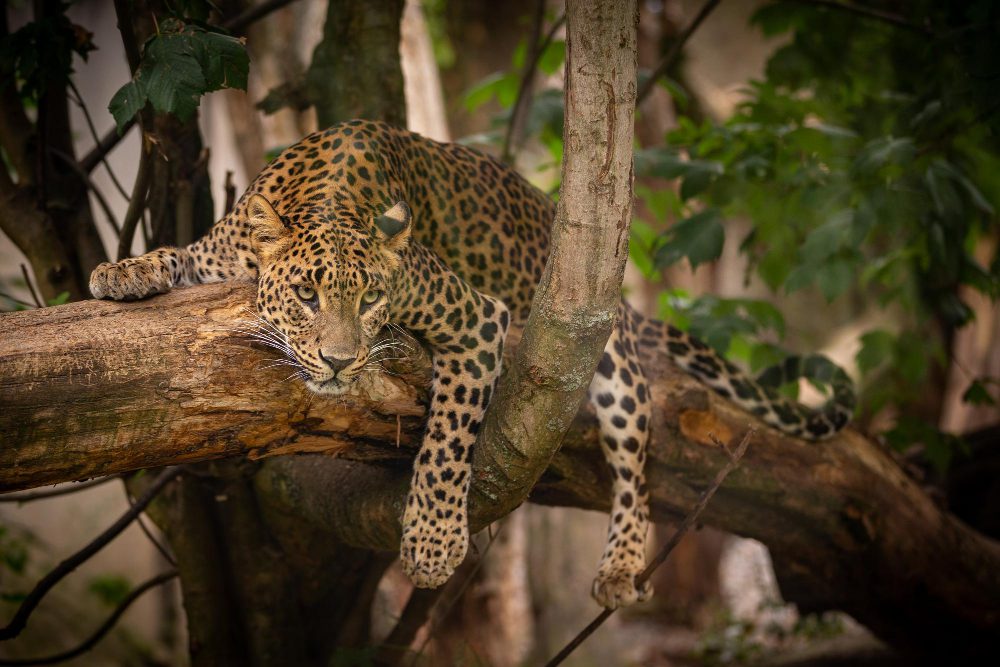
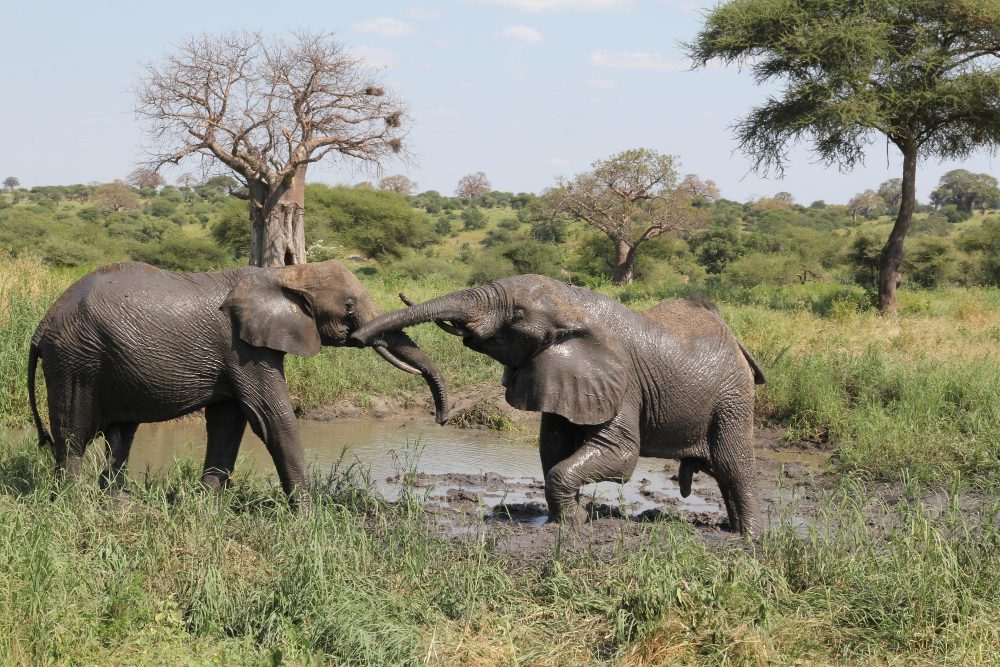
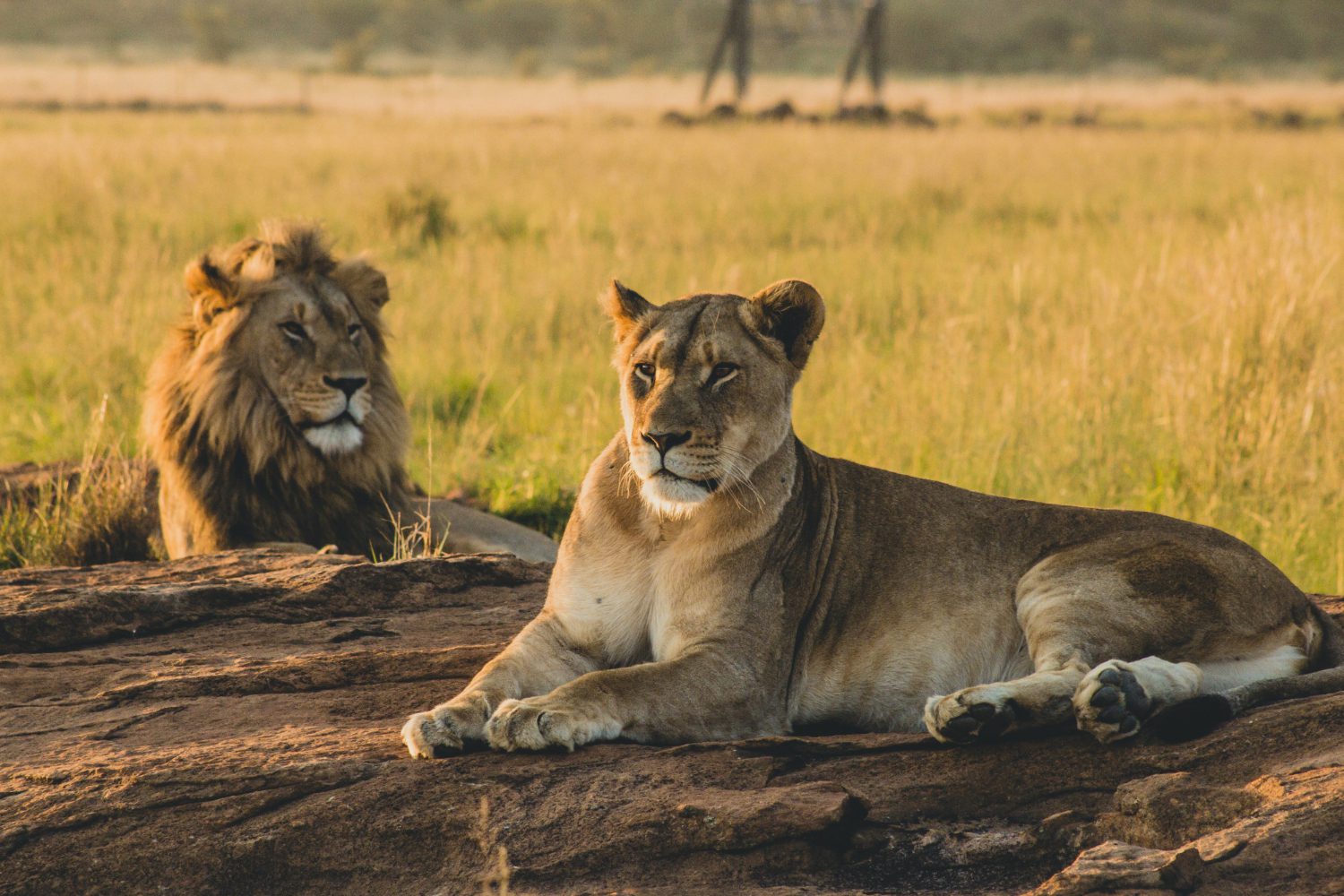
However, what sets Tanzania truly apart is the opportunity for birding adventures while also enjoying iconic wildlife safaris. The country’s most famous national parks like Serengeti, Ngorongoro Crater, and Tarangire provide game drive experiences where travelers get to see not only birds but also members of Big Five (lion, leopard, elephant, rhino, and buffalo) and other charismatic mammals like cheetahs, giraffes, and zebras.
Top Birding Destinations in Tanzania
1. Serengeti National Park
Being one of the oldest parks in Tanzania isn’t all there is to know about Serengeti. Its vast grasslands with dramatic wildebeest migration have placed this park at iconic standards , big game here is abundant as well! But this legendary park is also a birder’s paradise with over 500 species recorded within its borders.
The gray-crested helmet-shrike is one of the most sought-after birds here , striking black-and-white bird with gray crest that you’ll easily recognize. This species can only be found in Kenya and Tanzania so if you miss it then your chances drop drastically.
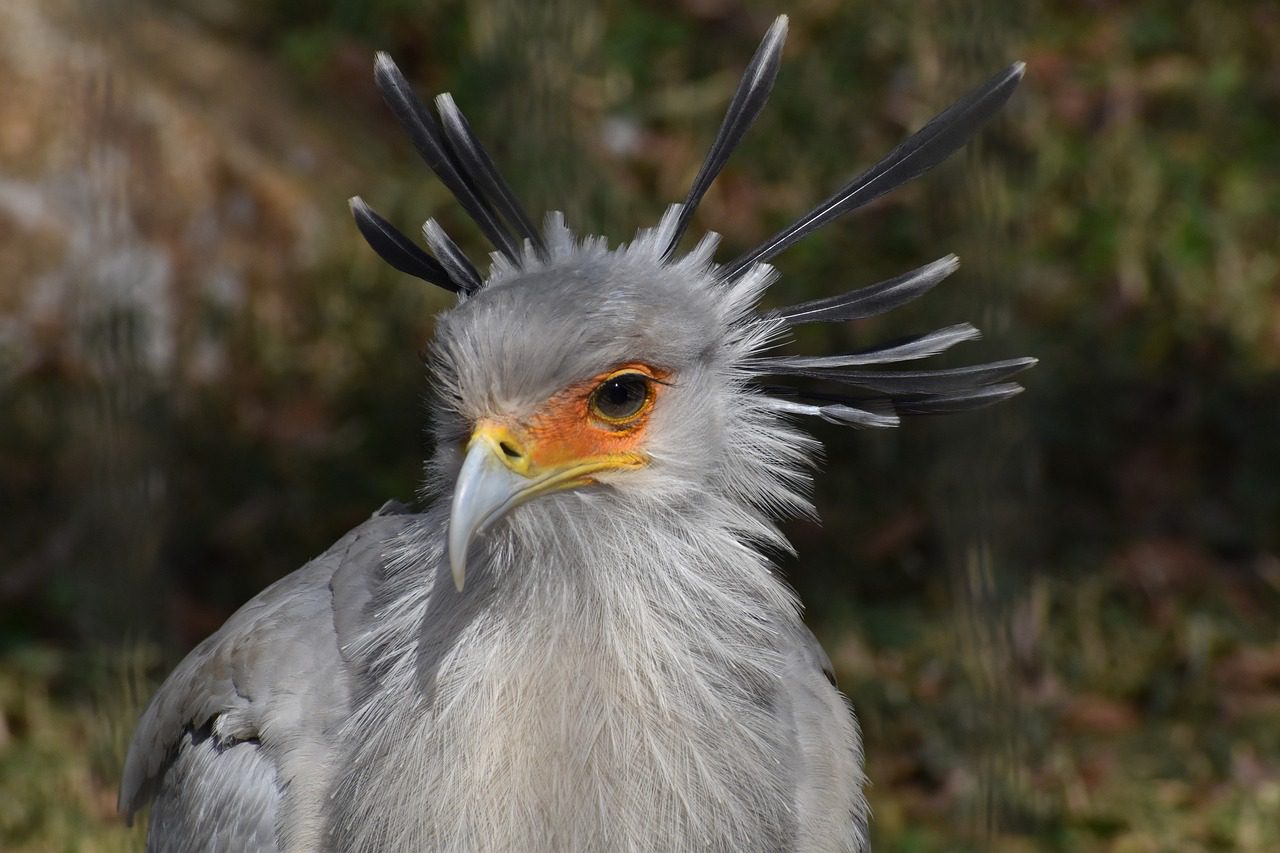
Other notable birds in the park include kori bustard which holds title for world’s heaviest flying bird; secretarybird , a long-legged raptor known for its snake-hunting prowess; lilac-breasted roller , colorful acrobatic bird often seen perched on tree branches.
The Serengeti is a diverse land of trees, grass and water. In each region, a wide variety of birds species can call home. And though it’s great for wildlife, the wetlands are especially good for one thing: waterbirds.
The Lesser Flamingo is a sight to behold with its bright pink feathers that seem almost other worldly. The African Spoonbill is also native to this park. Its long bill dips into the muddy waters as it searches for crustaceans and small fish to eat. Finally the Great White Pelican finishes off the list of waterbirds known to make their nests on the Serengeti.
2. Ngorongoro Crater
The Ngorongoro Crater is a stunning place to explore wildlife and offers some breathtaking views! It serves more than just tourists though , it helps animals thrive too! One such animal is the Rufous-tailed weaver, which has adapted over time so that it can only be found here in Tanzania.
Other notable birds include the golden-winged sunbird (which feeds on nectar like all hummingbirds do), hildebrandt’s francolin (a plump bird that brushes against your leg before flying away), Schalow’s turaco (a bird whose feathers look like peacock feathers). There are many other species within these boundaries too!
3. Arusha National Park
Arusha National Park may not be large but it does pack quite the punch when it comes to nature! With habitats ranging from forests to alkaline lakes, there are over 400 different kinds of birds that live here.
One such bird you’ll find inside Arusha National Park is called Tanzanian red-billed hornbill. It’s easy to spot thanks its large size and vibrant colors compared with other birds nearby .
Other notable residents include Narina trogon, bar-tailed trogon and Hartlaub’s turaco. These birds all look different but are undeniably beautiful!
4. Udzungwa Mountains National Park
The Udzungwa Mountains are part of a chain of mountains that is known for being ancient and isolated , making it one of the most interesting places on Earth! One such animal you’ll find here (and nowhere else) is the Udzungwa forest partridge.
Other notable endemics in Udzungwa include the rufous-winged sunbird, Swynnerton’s robin and the dapple-throat.
Birdwatching in Udzungwa is difficult. The dense plantlife and hilly terrain is hard to navigate, but the opportunity to see these uncommon birds is a big deal for dedicated birders. Hiring a local guide who knows the forest trails will be key in finding and identifying them.
5. Selous Game Reserve
The Selous reserve, located in southern Tanzania, is Africa’s biggest protected area with over 50,000 square kilometers of land. Although it has a thriving lion population and many herds of elephants, the reserve itself is an excellent place for bird-watching.
The Pel’s fishing owl is probably one of the most well-known avian residents at Selous–and one that many bird-watchers long to spot. This owl hunts fish on the reserve’s rivers and lakes, making it not only rare but also difficult to find.
Another notable species at Selous is the African skimmer–a black-and-white bird with a long beak that scissor-like bill cuts through water: Not your average flyer! Other interesting birds include racquet-tailed rollers (colorful birds with elongated central tail feathers) and southern ground hornbills (large turkey-like birds with red skin).
The different habitats at Selous–ranging from woodlands to savannas–are each home to different types of birdlife. The many rivers and lakes are also home to unique waterbirds such as white-backed night herons, African finfeet and white-crowned lapwings.